
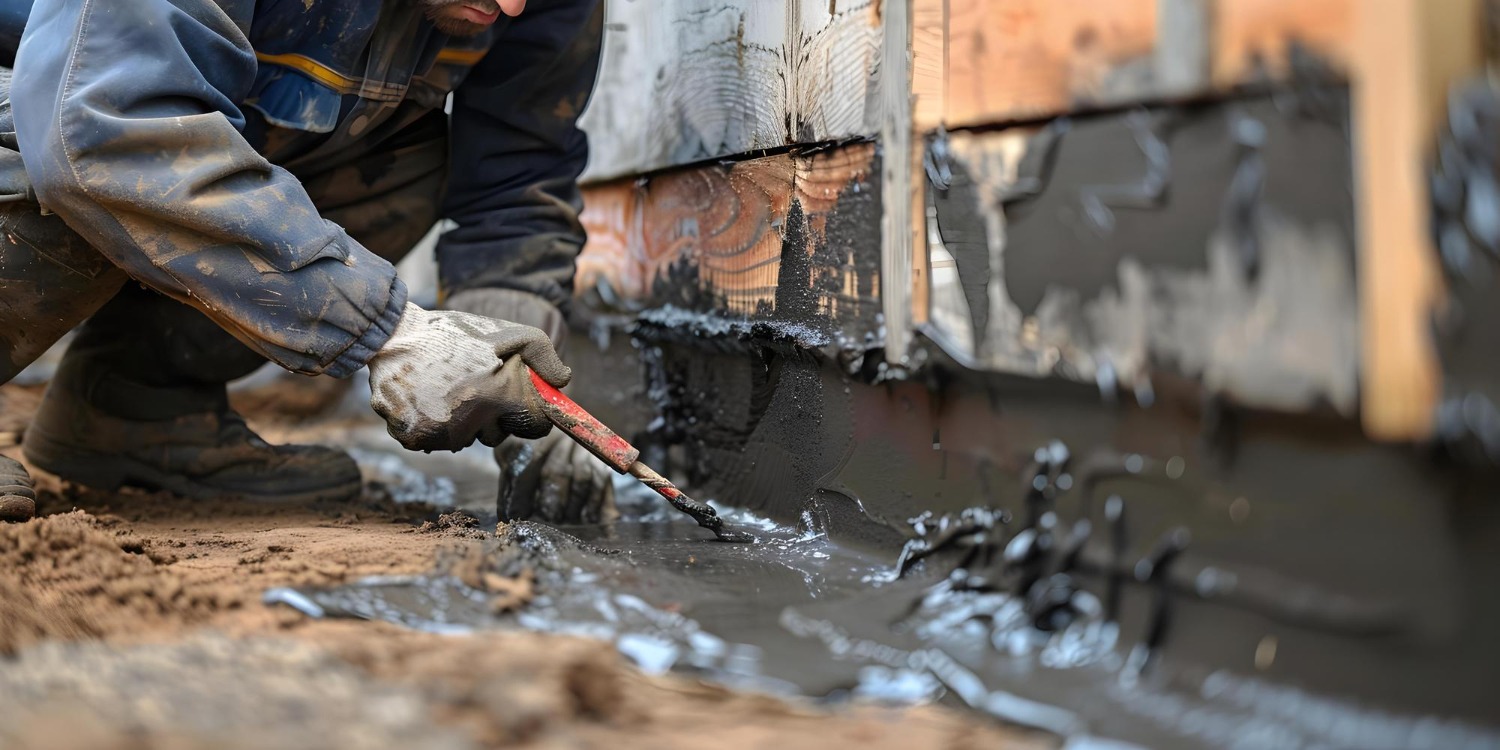
If you’ve ever dealt with water in your basement or noticed puddles forming in your yard after a rainstorm, you’ve probably wondered what the best solution is. Should you waterproof your basement from the inside? Install a sump pump? Or is there a better way to tackle the problem at its source?
Here’s the thing: the most effective way to protect your foundation isn’t managing water after it enters your basement. It’s stopping it from getting there in the first place.
That’s what we call the outdoor approach to drainage and waterproofing. And for homeowners in Guelph, Kitchener, Waterloo, and the surrounding region, it’s often the smarter long-term investment.
Why Water Reaches Your Foundation in the First Place
Before we talk solutions, let’s understand the problem. Water ends up against your foundation for a few common reasons.
Negative grading is one of the biggest culprits. Over time, soil settles around your home, and what was once a slope away from your foundation becomes a slope toward it. According to the Ontario Building Code, finished ground should slope away from the foundation at a minimum of 1.5-2% grade. When that doesn’t happen, water flows directly toward your basement walls.
Poor downspout management compounds the problem. If your downspouts dump water right next to your foundation, you’re essentially creating a concentrated water source exactly where you don’t want one. Industry best practice recommends extending downspouts at least 1.8 metres (6 feet) from your home, with some experts suggesting even further for properties with drainage challenges.
Failed or non-existent drainage systems allow water to accumulate in the soil surrounding your foundation. Without proper French drains or weeping tiles to redirect this water, it builds up and creates hydrostatic pressure—the force of water pushing against your basement walls.
And then there’s our local geology. The Waterloo Moraine spans approximately 400 square kilometres and provides roughly 80% of our region’s drinking water. While this aquifer is a tremendous resource, it also means many properties in Guelph and the surrounding area sit on soil compositions that include significant sand and gravel layers. These can channel water toward foundations in ways that might surprise homeowners used to dealing with clay soil elsewhere in Ontario.
The Two Approaches: Prevention vs. Management
When it comes to keeping your basement dry, there are fundamentally two philosophies.
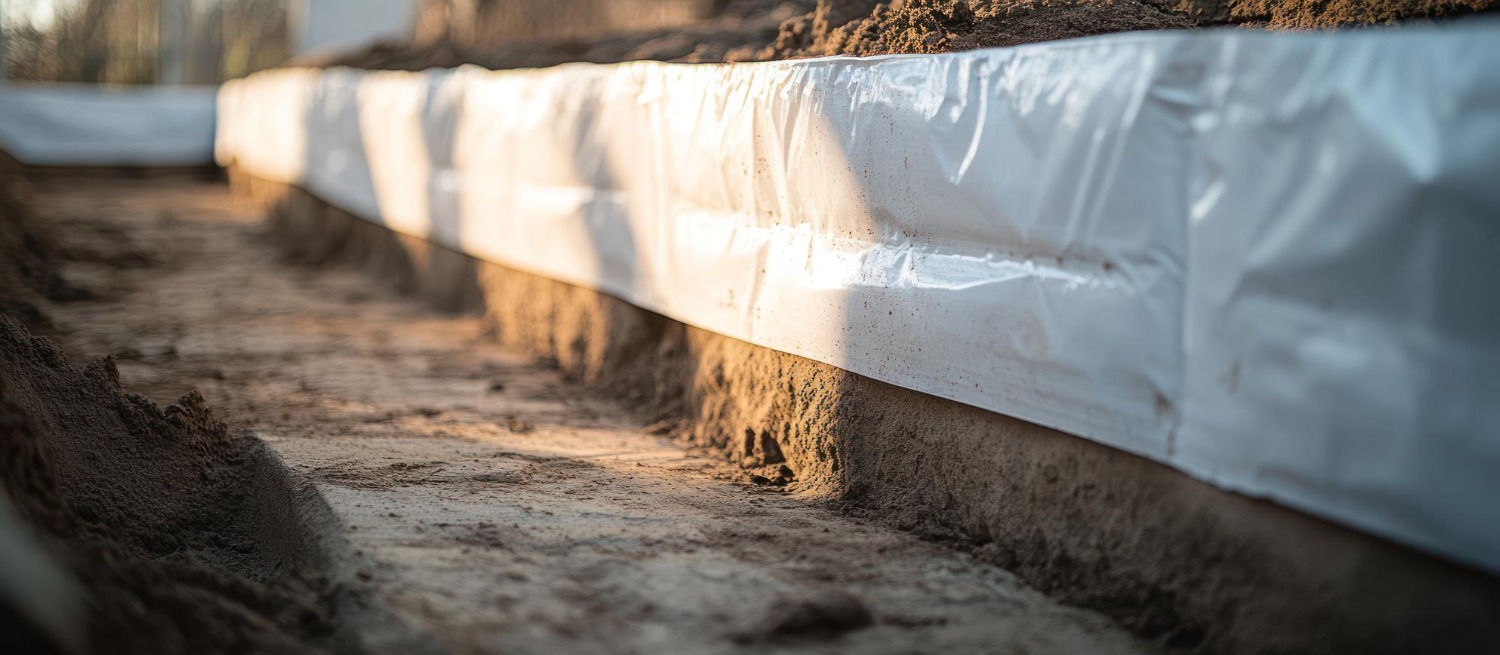
The outdoor approach—which includes proper grading, exterior drainage systems, and exterior waterproofing—addresses water before it reaches your foundation. Think of it like fixing a leaky roof instead of just putting buckets under the drips. You’re solving the root cause, not just managing the symptoms.
The interior approach—including interior weeping tile systems, sump pumps, and crack injection, manages water after it has already made its way to or through your foundation walls. It’s an effective strategy in certain situations, but it doesn’t stop water from contacting your foundation in the first place.
Both approaches have their place. But for many homeowners, especially those building new outdoor structures or already planning excavation work, the outdoor approach offers longer-lasting protection.
According to multiple industry sources, exterior waterproofing systems can last 20-30 years or more when properly installed with quality materials. Interior systems typically require maintenance or replacement sooner, generally lasting 10-25 years, depending on conditions.
What a Complete Outdoor Water Management System Looks Like
When we talk about the outdoor approach, we’re not just talking about one solution. We’re talking about a complete system that works together to keep water away from your home.
Proper grading forms the foundation of any drainage strategy. The City of Toronto’s lot grading standards—which align with requirements across Ontario- specify a minimum 1.5% slope for side yards and drainage swales. This ensures surface water moves away from your home rather than pooling against the foundation.
French drains and weeping tiles capture subsurface water before it can reach your foundation walls. The Ontario Building Code specifies minimum requirements: pipes must be at least 100mm (4 inches) in diameter, covered with at least 150mm (6 inches) of gravel, and installed at the proper depth below the frost line, which reaches 1.2 metres (4 feet) in our region.
Hidden downspout systems route roof water underground and away from your foundation. Instead of visible extensions that get damaged by lawn mowers or moved out of position, buried drainage pipes provide a permanent solution that keeps water moving in the right direction.
Window well drainage prevents water from collecting against basement windows, one of the most common entry points for water infiltration. Properly designed window wells include drainage connections to your perimeter system.
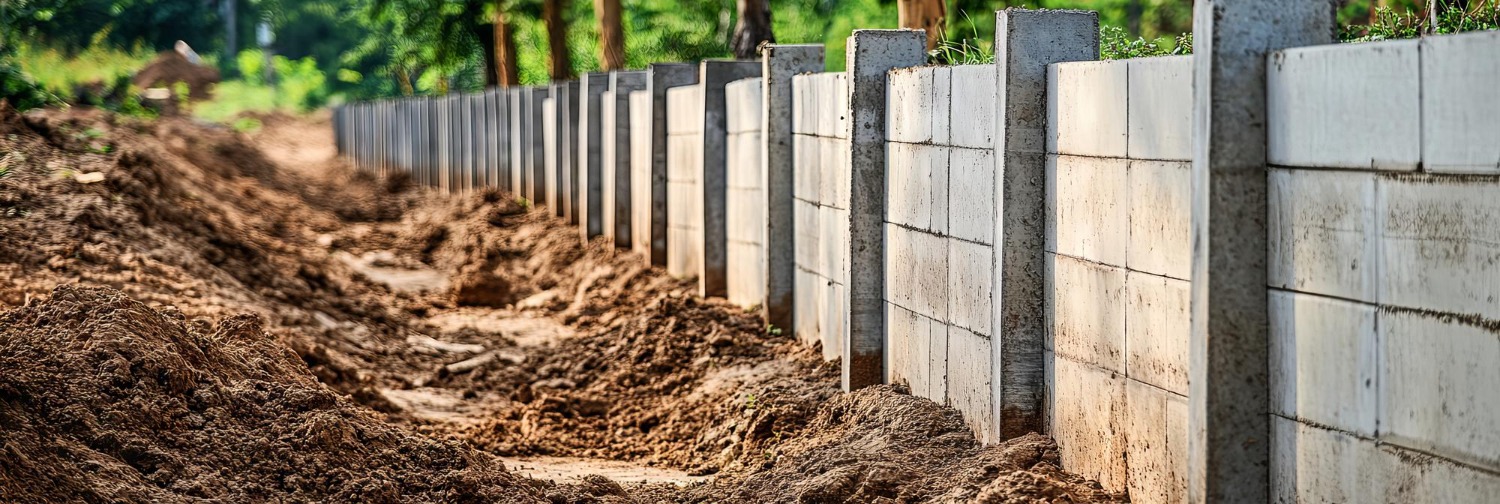
Retaining wall integration matters for properties with slopes. A retaining wall without proper drainage can actually make water problems worse by trapping water against your foundation. When drainage systems are integrated with retaining wall construction, water is captured and redirected before it becomes a problem.
When Interior Waterproofing Makes Sense
We’re not saying interior waterproofing is wrong, it’s the right choice in certain situations.
If you have a finished basement with expensive renovations, interior solutions can protect without disrupting your living space. If exterior access is limited due to decks, additions, or neighbouring structures built close to your foundation, interior work may be the only practical option. And for some homes, a combination of exterior prevention and interior backup systems provides the most comprehensive protection.
The key is understanding that interior systems manage water rather than prevent it from reaching your foundation. For many homeowners, that’s an acceptable trade-off. For others, addressing the root cause makes more sense.
Local Considerations for Guelph-Area Homeowners
Our region presents some unique challenges that affect drainage and waterproofing decisions.
Freeze-thaw cycles are particularly harsh in Ontario. Water that enters small cracks expands when it freezes, gradually widening those cracks over time. Exterior systems that keep water away from your foundation reduce this freeze-thaw damage.
Municipal stormwater programs can help offset costs. The City of Kitchener and City of Waterloo offer stormwater credits of up to 45% for properties that implement certain drainage improvements. The City of Guelph offers rebate programs up to $2,000 for rainwater harvesting systems and rain gardens. These programs can make outdoor drainage solutions more affordable than many homeowners realize.
Soil composition varies significantly across the region. Properties closer to the Waterloo Moraine may have sandy, well-draining soil, while others deal with heavy clay that holds water. Any drainage solution should account for your specific soil conditions.
Making the Right Choice for Your Property
How do you know which approach is right for your situation? Ask yourself these questions:
Are you already planning exterior work, like a retaining wall, patio, or landscaping project—that will involve excavation? If so, addressing drainage and waterproofing at the same time often makes financial sense.
Is your yard graded properly, or does water flow toward your house? Sometimes regrading alone can solve minor water issues without more invasive work.
How old is your home, and has the original waterproofing likely failed? Homes built before modern waterproofing standards often have only damp-proofing (not true waterproofing) applied to their foundations.
Do you have chronic basement water issues, or just occasional dampness? The severity of your problem should guide the scope of your solution.
An Integrated Approach
At Winstorm Projects, we specialize in outdoor construction that protects your property, not just beautifies it. Because we build retaining walls, install drainage systems, and understand how water moves through soil, we can design solutions that work together rather than in isolation.
A retaining wall with integrated drainage. A French drain system connected to proper downspout management. Regrading that directs water toward catch basins rather than your foundation. These aren’t separate projects; they’re components of a complete water management strategy.
If you’re dealing with water issues on your property or planning outdoor improvements, we’d be happy to assess your situation and explain your options. Sometimes the answer is simple. Sometimes it requires a more comprehensive approach. Either way, you’ll understand exactly what’s happening with water on your property and what it takes to fix it.
Ready to discuss your property’s drainage needs? Contact Winstorm Projects for a free consultation.
Winstorm Projects serves Guelph, Kitchener, Waterloo, Cambridge, and surrounding areas with engineered retaining walls, drainage systems, and foundation waterproofing. We build outdoor structures that last.