
If you’ve got a sloped yard in Kitchener or Waterloo, you’ve probably thought about a retaining wall at some point. Maybe you’re tired of watching soil wash down toward your neighbour’s property every spring. Maybe you want to create a usable patio space on land that currently resembles a ski hill. Or maybe you’ve noticed your existing wall starting to lean, and you’re wondering what went wrong.
Here’s what I’ve learned working in this region: the Kitchener-Waterloo area presents some unique challenges that many homeowners, and unfortunately some contractors, don’t fully appreciate. The soil here can be tricky. The permit requirements differ between municipalities. And Ontario’s freeze-thaw cycles will absolutely destroy a wall that wasn’t built properly.
So let’s walk through what you actually need to know before building a retaining wall in this area.
Why Kitchener-Waterloo Soil Makes Retaining Walls Challenging
You know how some people describe digging in their yards as hitting clay that feels like concrete? That’s the Waterloo Moraine at work.
The Waterloo Moraine is a massive geological formation, roughly 400 square kilometres, that underlies much of Kitchener-Waterloo and the surrounding region. What makes it interesting from a construction perspective is the soil composition. You’ll find layers of sand and gravel mixed with dense clay-rich till. Sometimes the aquifer sits less than a metre below the surface.
What does this mean for your retaining wall project? A few things.
First, drainage becomes critical. That clay doesn’t let water pass through easily, so water builds up behind the walls. This creates what engineers call hydrostatic pressure, which is essentially the force of trapped water pushing against your wall. During the spring thaw, when frozen ground starts releasing months of accumulated moisture, this pressure can be enormous.
Second, the freeze-thaw cycle in Ontario is relentless. We experience dozens of these cycles every winter, where temperatures swing above and below freezing. Each cycle causes soil to expand and contract, putting repeated stress on wall structures. Materials and installation methods that work fine in milder climates often fail here.
This is why the Ontario Building Code requires footings to extend below the frost line, which sits at 1.2 metres (about 4 feet) in Southern Ontario. Any wall with substantial height needs its foundation to be deep enough to avoid the constant movement of freezing and thawing soil.
Do You Need a Permit? It Depends on Where You Live
One question that comes up constantly: do I need a permit for my retaining wall? The honest answer is that it depends on your specific municipality, the wall’s height, and its location on your property.
In Kitchener, the general threshold is walls over 1 metre (about 3 feet 3 inches) in exposed height, though exact requirements can vary depending on the wall’s location relative to property lines, sidewalks, or buildings. The City of Kitchener building department evaluates each situation individually.
Waterloo takes a similar approach but explicitly requires a Professional Engineer’s design for walls over 1 metre that are designed to contain fill higher than adjacent lands. This makes sense when you think about it, as a wall holding back a significant volume of soil needs proper structural engineering to ensure safety.
Here’s something many homeowners don’t realize: if your property falls within a Grand River Conservation Authority regulated area, you may need GRCA approval in addition to your municipal permit. This typically applies to properties near rivers, streams, wetlands, or steep slopes. Processing times run 4 to 6 weeks, so factor that into your project timeline.
The permit process can feel frustrating, but these requirements exist for good reason. A failed retaining wall can damage foundations, flood basements, and even endanger people. Spending the time upfront to get proper approvals protects your investment.
Choosing the Right Material for Your Wall
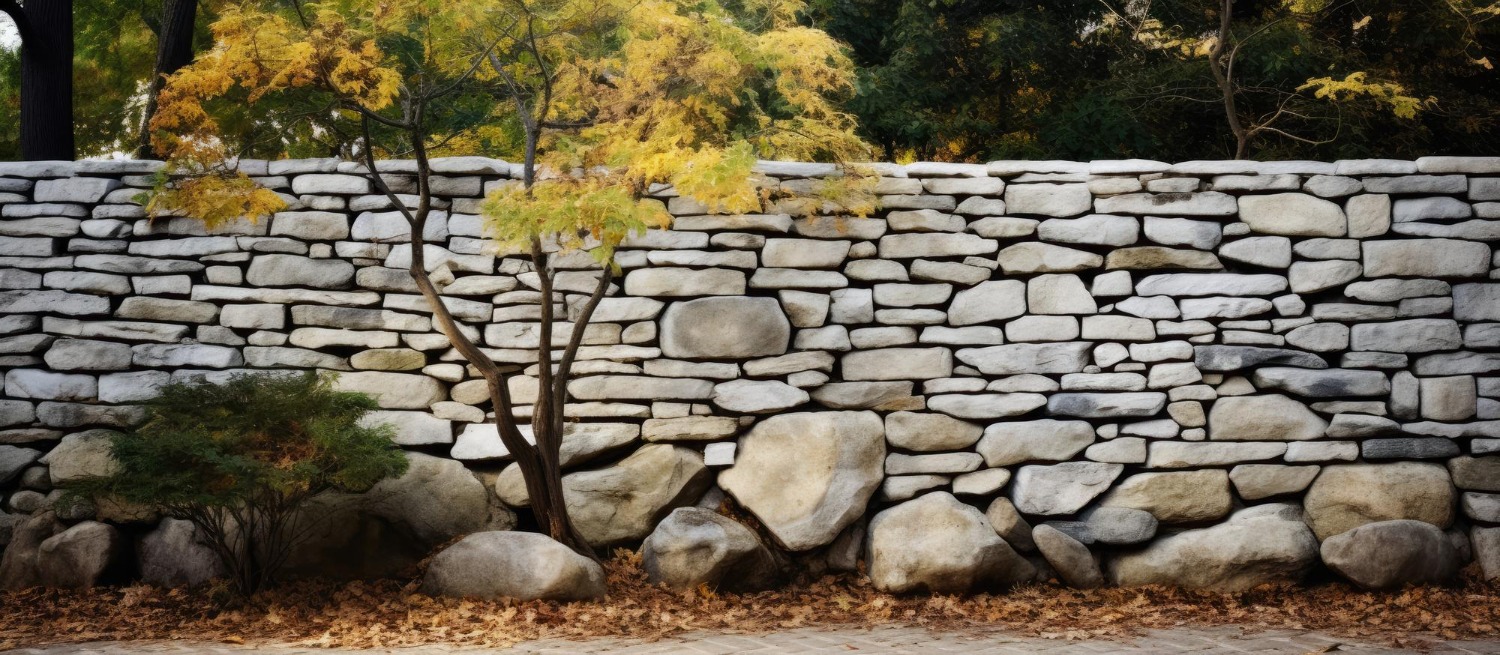
Walk into any landscape supply yard and you’ll see dozens of options. Natural stone, manufactured concrete blocks, armour stone, pressure-treated wood, and more. How do you choose?
It starts with understanding what each material does well, and where it falls short in our climate.
Grande Wall Stone and Manufactured Blocks
Engineered concrete blocks, often called segmental retaining wall systems, have become popular for good reason. When properly manufactured to meet durability standards, they handle Ontario’s freeze-thaw conditions well. They’re also versatile enough for straight walls, curves, corners, and terraced designs.
The key is ensuring the blocks meet appropriate freeze-thaw testing requirements. Not all concrete products are created equal, and cheaper blocks from uncertain sources can crack and deteriorate within a few years.
One option we often recommend is Grande Wall Stone, which comes with full engineering drawings. This gives homeowners peace of mind that the wall isn’t just attractive but structurally sound for the specific application.
Armour Stone
For a bolder, more natural look, armour stone delivers both visual impact and serious structural capability. These are large natural stones, often weighing several tonnes each, that create walls with a distinct character you can’t replicate with manufactured products.
Armour stone handles challenging landscapes well, including steep grades and areas where you need a wall that makes a statement. Because it’s natural stone, properly installed armour stone walls can last generations with minimal maintenance.
The trade-off is typically cost and the equipment required for installation. Moving multi-tonne stones requires heavy machinery and experienced operators.
Pressure-Treated Wood
For lower-rise projects where budget matters, pressure-treated wood remains a viable option. It blends naturally with outdoor surroundings and costs less than stone or concrete alternatives.
However, wood has limitations. Even properly treated timber has a finite lifespan, typically 15 to 25 years before replacement becomes necessary. In direct soil contact, especially in our wet climate, deterioration happens faster than many homeowners expect.
Wood works best for walls under a metre in height, decorative applications, or situations where you’re comfortable replacing the structure eventually.
What Professional Installation Actually Involves
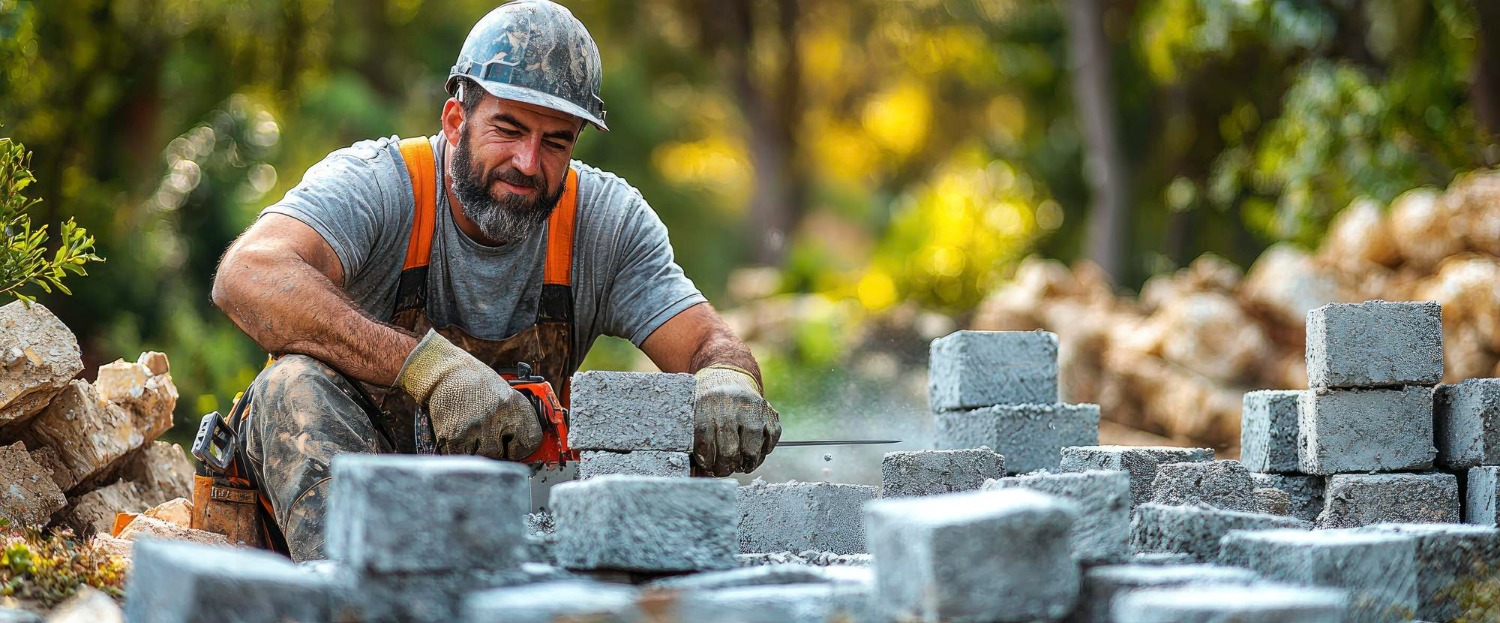
Here’s where I see the biggest disconnect between homeowner expectations and reality. Many people think a retaining wall is essentially stacking blocks or stones on top of each other. The visible part of the wall, the part you’ll look at every day, actually represents a fraction of the work involved in a properly built structure.
Excavation and Base Preparation
Before any stones get placed, the site needs proper excavation. This means digging down to stable soil, below the frost line for walls of any substantial height. The base must be level and compacted properly because any settlement will translate to a crooked or failing wall.
Drainage Systems
Here’s what separates walls that last from walls that fail: drainage. Behind every well-built retaining wall sits a drainage layer, typically gravel or aggregate, that allows water to flow down and away rather than building up pressure against the wall.
Perforated drainage pipe at the base collects this water and directs it to a suitable outlet. Skip this step, or do it poorly, and you’re essentially building a dam. Eventually, the water wins.
Backfill and Compaction
After the wall goes up, the space behind it needs to be backfilled in controlled lifts, with each layer compacted before adding the next. Poor compaction creates voids that settle over time, potentially pulling the wall backward or allowing water to channel through weak points.
Geogrid Reinforcement
For taller walls, or walls retaining significant loads, geogrid reinforcement adds crucial structural support. These high-strength mesh layers extend back into the soil behind the wall, essentially tying the wall structure to a larger mass of earth. This is engineering, not just construction.
Costs You Should Expect
I won’t pretend costs aren’t a major factor in these decisions. Retaining walls represent a significant investment, and you deserve realistic expectations before committing.
Based on current Ontario pricing, you’re typically looking at somewhere between $40 and $150 per square foot of wall face for professionally installed walls. That range is wide because so many variables affect final costs: materials chosen, wall height, site accessibility, drainage requirements, and engineering needs.
Engineered walls on the higher end of that range include proper foundations, drainage systems, geogrid reinforcement where needed, and professional engineering sign-off. Cheaper options often cut corners that become expensive problems later.
If your wall requires engineering approval, budget for engineering fees as well. Getting proper drawings and having a Professional Engineer stamp your plans adds cost upfront but protects you from much larger problems down the road.

Questions Worth Asking Any Contractor
Before signing any agreement, get clear answers to these questions:
What’s included in the quoted price? Specifically ask about excavation, base preparation, drainage, backfill, and compaction. If any of these aren’t mentioned, ask why.
Will this wall require a permit, and who handles that process? A reputable contractor should know your local requirements and help navigate the approval process.
What warranty do you offer, and what does it actually cover? Some contractors offer impressive-sounding warranties that exclude common failure modes or require conditions that void coverage.
Do you have insurance, and can I see proof? This protects both parties if something goes wrong during construction.
Can you provide references from similar projects in this area? Local experience matters because every region has its own soil conditions and challenges.
Why Warranties and Follow-Up Matter
A retaining wall should last decades, not just survive a few seasons. But even well-built walls benefit from occasional inspection and maintenance.
We back our retaining wall projects with warranties of up to 5 years, which includes something most contractors don’t offer: regular check-ins. This isn’t just a sales pitch. It’s practical recognition that catching small issues early prevents them from becoming major repairs.
During these check-ins, we look for any signs of movement, check drainage systems are functioning properly, and address minor concerns before they escalate. This proactive approach has helped our walls stay strong and looking good for years after installation.
Every project is fully insured, which gives you additional protection throughout the construction process and beyond.
Making the Right Decision for Your Property
If you’re dealing with a sloped yard, erosion problems, or simply want to create more usable outdoor space, a properly built retaining wall can transform your property. But the key word is “properly.”
In the Kitchener-Waterloo area, that means understanding local soil conditions, respecting Ontario’s freeze-thaw reality, meeting municipal and GRCA requirements, and investing in quality materials and installation.
Take your time with this decision. Get multiple quotes. Ask questions. And choose a contractor who builds walls the right way, not just the fastest or cheapest way.
Your property is worth protecting properly.
Looking for engineering-approved retaining wall construction in Kitchener, Waterloo, or the surrounding area? WinStorm Projectsbuilds with proper approvals, quality materials, and backs every project with warranties up to 5 years, including regular check-ins. Get your free estimate today.