
If you’re dealing with a sloped yard or erosion issues, you’ve probably already discovered that choosing the right retaining wall material isn’t as simple as it first seems. Walk into any landscape supply store, and you’ll find armour stone, concrete blocks, pressure-treated wood, and half a dozen other options, all promising to solve your problems.
Here’s the thing. The material you choose today will determine whether your wall is still standing strong in 20 years or crumbling apart. And in Ontario, where we deal with serious freeze-thaw cycles every single year, this decision matters even more than it does in milder climates.
So let’s break down the three most common options: armour stone, concrete block, and pressure-treated wood. No sales pitch, just the facts about what each material can actually deliver for your property.
Why Material Choice Matters More in Ontario
Before we dive into the specifics, you need to understand something about our climate that a lot of homeowners overlook.
Ontario’s weather puts retaining walls through the wringer. Research from the University of Toronto found that the Greater Toronto Area experiences roughly 51 freeze-thaw cycles every year. That’s 51 times water seeps into cracks and pores, freezes, expands, then thaws again. Over time, this process can destroy materials that aren’t up to the task.
The Federal Highway Administration actually documented significant freeze-thaw damage in retaining walls across cold-climate states, with Minnesota finding over half of surveyed walls showing deterioration. Wisconsin reported similar issues with about 20% of walls affected.
Now, that doesn’t mean your wall is doomed. It means you need to pick materials that can handle what Ontario throws at them, and make sure they’re installed properly with adequate drainage.
Armour Stone: The Long-Term Investment
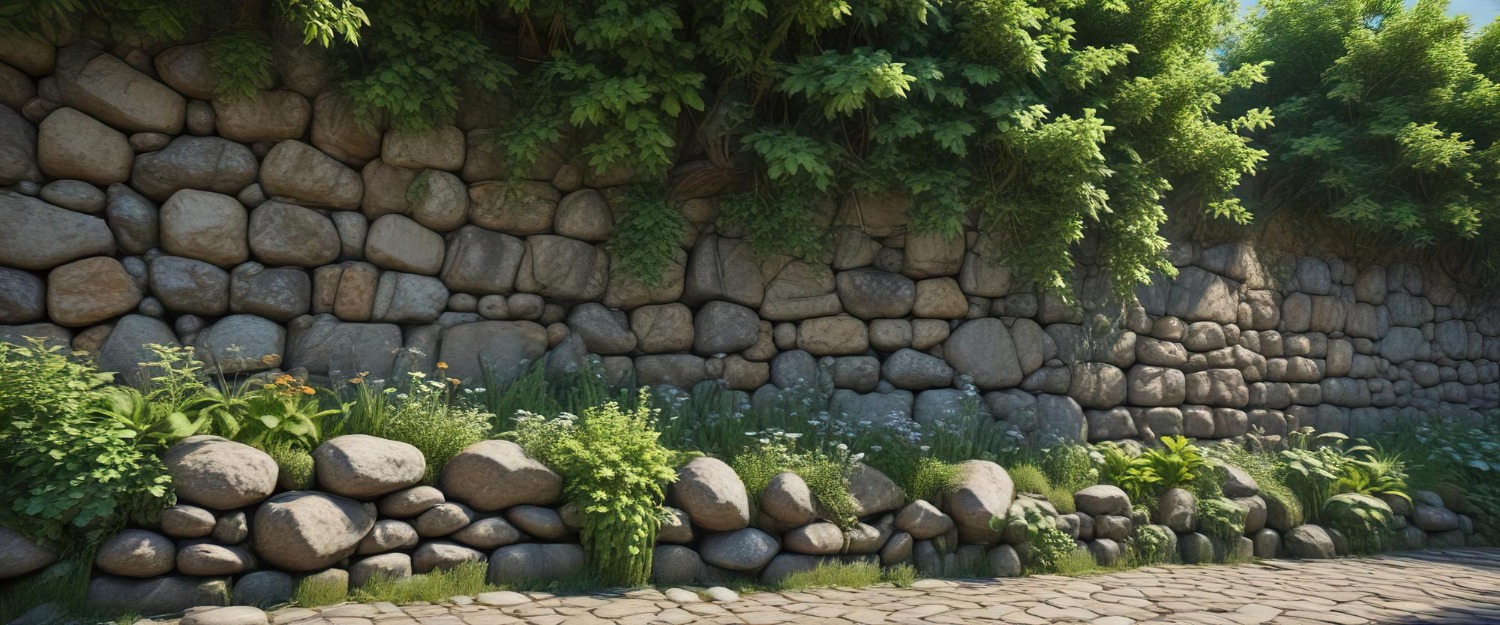
Armour stone is exactly what it sounds like, large natural stones (typically granite, limestone, or similar) stacked to create a retaining wall. These are the substantial walls you see holding back slopes on larger properties, and they make a statement.
What You Can Expect
When properly installed with good drainage, armour stone walls typically last 50 to 100 years or more. Industry sources consistently put natural stone at the top for longevity, with some well-built walls lasting centuries. Grand River Natural Stone, an Ontario supplier, notes that stone walls “can last for decades, often 50-100 years, with proper care.”
Natural stone handles freeze-thaw cycles exceptionally well. Dense granite and similar materials don’t absorb much water, so there’s less internal pressure when temperatures drop. That’s a real advantage in our climate.
The Cost Reality
Here’s where armour stone separates itself from other options. You’re looking at roughly $60 to $150 per square foot of wall face, installed. That’s materials, base preparation, drainage, and labour combined.
Why the big range? Armour stone projects require heavy equipment, often excavators or cranes to place stones that can weigh several tons each. If your site has tricky access or requires complex engineering, costs climb toward the higher end.
Best For
Armour stone works particularly well for taller structural walls, properties where aesthetics matter, and situations where you want a wall that will genuinely last a lifetime. If you’re building something over four feet tall, armour stone’s weight and stability become real advantages.
At Winstorm, we work with armour stone for properties with challenging landscapes where that bold, long-lasting strength makes sense. The material handles difficult terrain and provides a clean, professional finish that improves with age.
Concrete Block: The Balanced Option
Segmental retaining wall blocks, the interlocking concrete units you’ve probably seen at landscape supply stores, have become incredibly popular over the past few decades. There’s good reason for that.
What You Can Expect
Quality concrete block walls can last 50 to 100 years when installed correctly and when the blocks meet appropriate durability standards. The key word there is “quality.”
Here’s what most people don’t know. Concrete blocks are more vulnerable to freeze-thaw damage than natural stone. The Federal Highway Administration’s research specifically flagged this issue, noting that “dry-cast concrete SRW units are susceptible to freeze-thaw degradation with exposure to de-icing salts and cold temperatures.”
What does this mean for you? If you’re building near a driveway or anywhere salt might contact the wall, you need blocks that have been tested for freeze-thaw durability. Look for products meeting ASTM C1372 standards, with freeze-thaw testing per ASTM C1262. Blocks with minimum 4,000 psi compressive strength perform better in cold climates.
The Cost Reality
Concrete blocks typically run $60 to $100 per square foot installed in Ontario. That’s less variable than armour stone because the blocks are uniform and installation is more standardized.
The blocks themselves might only cost $15 to $30 per square foot for materials, but proper installation with a compacted gravel base, drainage provisions, and potentially geogrid reinforcement for taller walls adds up quickly.
Best For
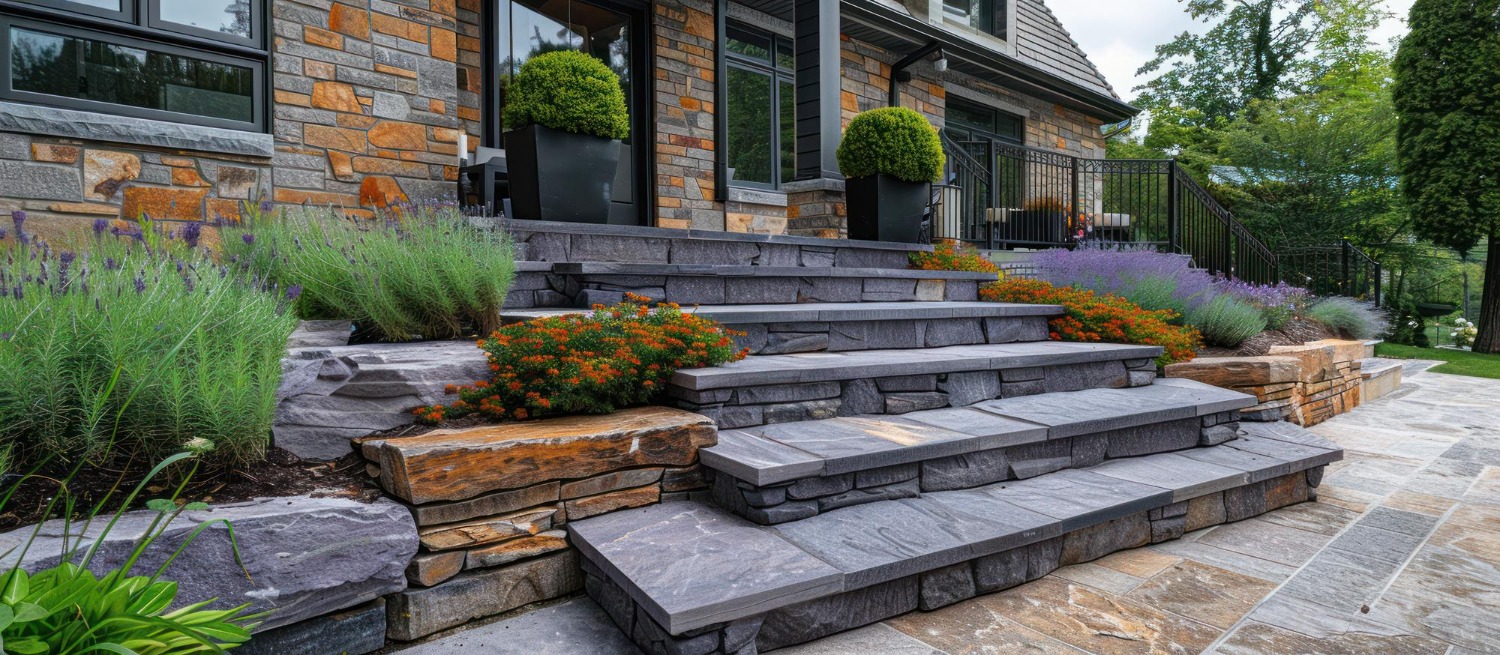
Concrete blocks make sense for mid-height walls (roughly 2 to 4 feet) where you want durability without the premium cost of natural stone. They’re also easier to work with in tight spaces where heavy equipment access is limited.
We use Grande Wall Stone for many projects because it provides the strength and stability needed for slopes and grading challenges, and we can provide full engineering drawings when the project requires it.
Pressure-Treated Wood: The Budget-Friendly Choice
Wood retaining walls have been around forever, and they remain popular for good reasons. But you need to go in with realistic expectations.
What You Can Expect
Pressure-treated wood walls typically last 15 to 25 years with proper installation and maintenance. Some sources cite ranges up to 40 years, but honestly, 15 to 25 is more realistic for ground-contact applications in our climate.
The American Wood Protection Association sets standards for pressure-treated lumber, and here’s something worth knowing. Standard lumber you’d find at most hardware stores is typically rated UC4A (general ground contact). For retaining walls, you’re better off with UC4B (heavy duty ground contact), which costs about 20% more but is specifically designed for structural applications with constant soil contact.
Wood isn’t as susceptible to freeze-thaw cracking as concrete, which is actually a point in its favour. The bigger concern is moisture-related decay. If water sits behind your wood wall without proper drainage, rot will shorten its lifespan considerably.
The Cost Reality
This is where wood shines. You’re looking at roughly $20 to $60 per square foot installed, making it the most affordable option by a significant margin.
That lower cost comes with a trade-off. Wood walls will eventually need replacement, something stone and concrete walls won’t require for generations. If you’re planning to stay in your home for decades, the math might favour more expensive materials up front.
Best For
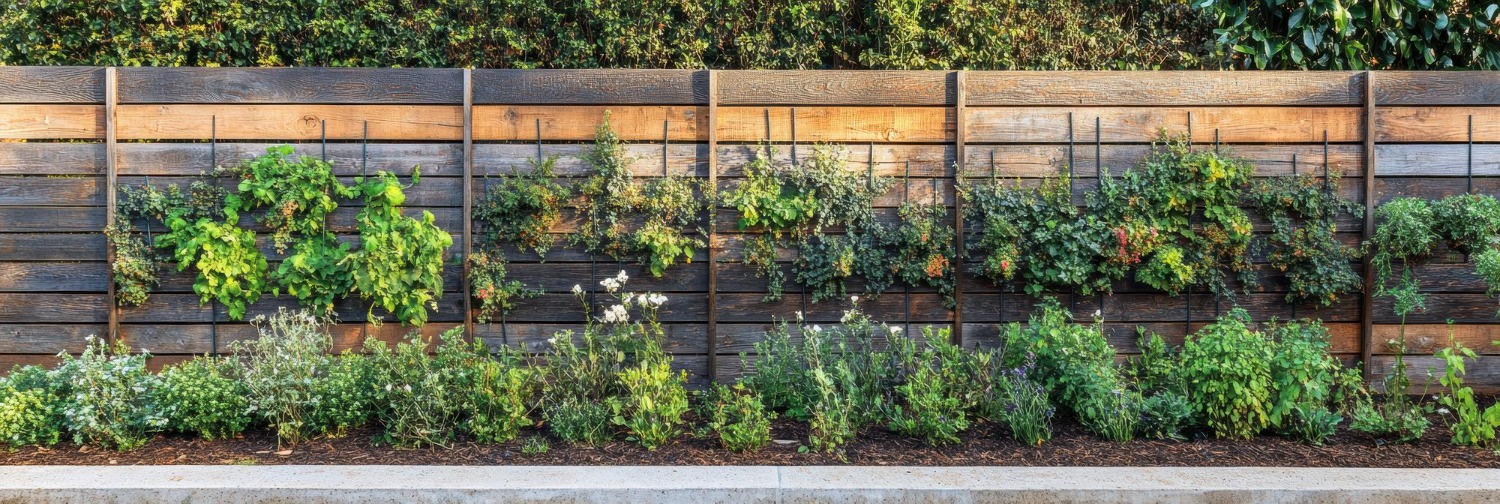
Wood works well for lower walls, typically under three feet, where the rustic aesthetic fits your landscape and budget is a primary concern. It’s also a reasonable choice for garden terracing or decorative applications where structural demands are minimal.
We use pressure-treated wood for lower-rise projects where clients want that natural look without compromising on durability. It blends seamlessly with outdoor surroundings and makes sense when the application matches the material’s strengths.
Making the Right Choice for Your Property
So which material should you choose? It depends on three main factors.
Wall Height
For walls under two feet, wood often makes practical sense. Between two and four feet, concrete blocks provide a good balance of cost and longevity. Over four feet, especially if engineering is required, armour stone or engineered block systems with proper reinforcement become increasingly attractive.
Remember, the Ontario Building Code requires engineering approval for retaining walls over one metre (roughly 3.3 feet) in exposed height when they’re adjacent to public areas, building access, or publicly-accessible property. This isn’t optional, it’s about safety and long-term stability.
Budget vs. Lifespan
Wood costs less up front but needs replacement every couple of decades. Concrete and stone cost more initially but can last for generations. For quality-focused homeowners planning to stay in their properties long-term, the higher upfront investment often makes financial sense.
Site Conditions
Drainage is critical for any material. A well-drained wood wall will outlast a poorly-drained stone wall every time. Whatever material you choose, proper gravel backfill and drainage provisions aren’t optional extras; they’re essential for longevity.
The Bottom Line
There’s no single “best” retaining wall material. There’s only the best material for your specific situation, considering your budget, your property’s challenges, and how long you want the wall to last.
What I can tell you is this: the biggest mistake homeowners make isn’t choosing the wrong material. It’s skimping on drainage and installation to save a few dollars up front. A properly built wall of any material will outperform a poorly built wall of premium materials.
If you’re dealing with slope issues, erosion problems, or just want to make better use of your yard, the right retaining wall can transform your property. The key is matching the material to your needs and making sure it’s installed correctly from the start.
About Winstorm Projects
We build retaining walls throughout Guelph, Kitchener, Waterloo, Cambridge, and surrounding areas. Whether you need armour stone for a challenging landscape, Grande Wall Stone with full engineering drawings, or pressure-treated wood for a smaller project, we focus on durable, properly-built solutions. Our walls come with warranties up to 5 years and include annual check-ins to catch any issues early. Every project is fully insured.